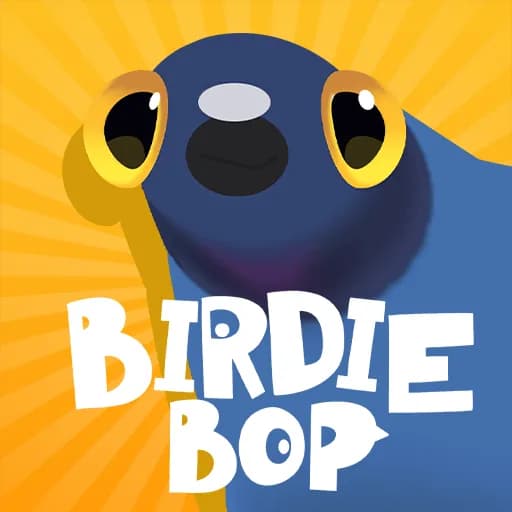
Birdie Bop Game Guide: The Worm Economy Behind All 300+ Levels
August 7, 2026 · MurderMafia.net Editorial Team · 4 min read
Birdie Bop looks like a game about pecking fruit, and it is — until you realize the fruit is bait. The safe snacks are easy points, but the real economy runs on worms, and worms only appear inside the dangerous pieces. Every level is a tiny trade: do you risk a peck on the rotten stuff to grow your collection, or play it safe and bank the clear? That decision, repeated across more than 300 levels, is why Birdie Bop keeps pulling me back for one more round.
The Worm Economy
Most one-button games give you one goal. Birdie Bop quietly gives you two ledgers at once. The first is the level itself: eat everything safe, touch nothing rotten, finish clean. The second is the worm stash. Worms hide inside the bad pieces on purpose, so collecting them means deliberately aiming at the food that can end your run. A single wrong peck and the round is over, worms included. That tension never goes away — it just gets sharper as the layouts speed up and the bad pieces start looking like the good ones.
Why the Daily Reward Changes Everything
The game rewards players who come back. Check in every day and the bonus rolls in, which quietly turns a quick break into a habit. The daily reward matters more than it sounds, because skins are not cheap and worms are not guaranteed. A steady drip of bonus currency means even a bad session — three failed runs, zero worms — still moves your collection forward. Players who show up daily unlock skins at a completely different pace from players who only play on weekends.
The 13 Groups Are a Difficulty Map
The level list is organized into 13 groups, and the groups are the real tutorial. The first few teach you to read each piece before pecking it. The middle groups start shuffling food and mixing rotten pieces into what look like safe clusters. The later groups are where the game stops being about reaction and becomes about patience — the best players in the final groups are the ones who wait half a second longer than everyone else. If you are stuck, the answer is almost never pecking faster. It is pecking less.
Three Habits of Long-Streak Players
- Watch the piece, not the cursor. The food moves in late levels, so aim where it will be.
- Only chase worms on your first attempt of a group. Risky plays cost less when the level is fresh.
- Stop after a failed level for one breath. The run ends instantly on a wrong peck, and tilt is real in a game this fast.
The same one-tap risk loop shows up in Fish Dive, where greed for the next fish is exactly what ends the dive. Birdie Bop just dresses the trade in cartoon fruit and a very hungry pigeon. Play it free in your browser, and let the worm economy make your collection grow one careful peck at a time.