Police Drive: Picking the Right Ride for Every Call
September 3, 2026 · MurderMafia.net Editorial Team · 3 min read
The precinct garage in Police Drive looks like a look menu. It is not. Every vehicle has its own specs. Every mission type rewards a different mix. Choose wrong and you still finish the job. Eventually. Choose right and you finish fast. That is the whole point. Clean, quick work is what pays. This is the quiet strategy layer under the sirens. Know which ride to take on which call. Know which upgrades to buy first.
Two Philosophies, One City
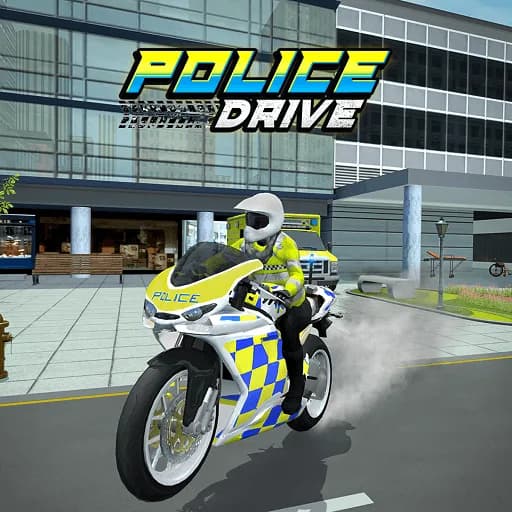
The patrol car and the motorbike are not two skins of the same car. The bike is quick. It threads through traffic. It cuts tight alleys. It changes direction on a coin. It trades that agility for stable speed. The car is the opposite. It is sturdier and more planted at speed. It holds a bumper when a suspect will not stop. The game says it plainly. Motorbikes suit tight city chases. Cars suit high-speed stability. Neither is better. Each is better at a different job. Players who treat the garage like a wardrobe leave time on the table.
Reading the Call
Missions split into three families. Each wants a different tool. Chases are about top speed and control. A suspect tests your fastest line. A stable car stays on their bumper. A wobbling bike loses ground. Arrests are about precision. Close the gap. Stop clean. Hold the suspect. Hostage rescues are the clock test. The arrow points across the city. The timer is the real enemy. You want the vehicle that reaches the scene fastest and weaves without losing speed. A player who reads the call before the engine starts has already begun to win.
The Arrow Is a Suggestion
The arrow marks the target. It does not know the city the way you will after ten missions. The real skill is memory. Which blocks clog. Which intersections give a clean line. Which routes let you carry speed through the turn. That is where the handbrake earns its keep. A well-timed Space tap rotates the car through a corner the arrow never mentioned. It shaves seconds off a rescue that is counting them. The same read-the-city muscle powers Street Escape. There, one drift input is the whole defense against a siren. It is the difference between driving the route and driving the streets.
Spending the Money
Every clean quick mission pays. The money buys two kinds of progress. New vehicles and upgrades. The upgrade order matters more than the total. Early on, acceleration changes how missions feel. The gap between a slow stock car and one that leaps off the line is the gap between catching a chase and chasing nothing. Handling comes second. Cornering speed is where clean driving is made. Top speed is last. A fast car that cannot steer is just a crash that arrives sooner. When a new vehicle unlocks, test it on a call you know. That is the only honest way to learn its value.
Building a Fleet for the Week
The long game is a small fleet. Assign each vehicle to the job it does best. A quick bike for alley chases. A planted car for bumper work. A faster machine for rescue clocks. Missions are short and self-contained. Garage progress stays between sessions. Even a break-time run moves the collection forward. The precinct is always open. Police Drive runs free in the browser. Pick the right ride. Read the call. The city pays for the next one itself.